IoT in Insurance: Improving Claims Accuracy and Speed Through Connected Devices is transforming how insurers handle claims. Imagine a world where accurate assessments happen instantly, and the entire process is streamlined, reducing delays and improving customer satisfaction. Connected devices are providing real-time data, allowing for faster, more precise evaluations of damage and triggering automated claim processes. This technology is poised to disrupt the insurance industry, offering a more efficient, transparent, and customer-centric approach.
From vehicle telematics to smart home sensors, the possibilities are vast and the potential for positive change is significant.
This report dives deep into how IoT devices are enhancing the accuracy and speed of claims processing. We’ll explore the different types of connected devices used, how sensor data improves assessments, and how automation reduces processing times. Furthermore, we’ll discuss the crucial security and privacy concerns surrounding IoT integration in insurance and examine real-world case studies and the future of this transformative technology.
Introduction to IoT in Insurance
The Internet of Things (IoT) is transforming industries, and insurance is no exception. IoT refers to the network of physical devices, vehicles, home appliances, and other items embedded with electronics, software, sensors, actuators, and connectivity which enables these objects to collect and exchange data. This interconnectedness is revolutionizing insurance by providing real-time insights into risk factors and claim processes.
By integrating IoT devices, insurers can gain a deeper understanding of customer behavior and proactively mitigate risks, ultimately leading to more accurate claims assessments and faster resolution times.Insurance companies are increasingly recognizing the potential of IoT to enhance operational efficiency and customer satisfaction. The ability to gather comprehensive data on policyholders’ behavior and their environment enables more accurate risk assessments, leading to better pricing models and tailored insurance products.
This, in turn, can foster trust and loyalty among policyholders, improving the overall health of the insurance ecosystem.
Key Benefits of Integrating IoT Devices
The integration of IoT devices offers a multitude of advantages for insurance companies. These devices provide valuable data that can be leveraged to improve claims accuracy, reduce processing times, and create more comprehensive risk assessments. Improved risk assessment leads to more accurate pricing and policy design, benefiting both the insurer and the policyholder.
How Connected Devices Improve Claims Accuracy
Connected devices provide a wealth of data that allows insurers to verify claims more accurately and efficiently. Sensors embedded in vehicles, for example, can record driving behavior, providing objective evidence for accident claims. This eliminates the need for relying solely on subjective accounts, leading to more accurate claim settlements. Similarly, smart home sensors can record activity levels and environmental conditions, aiding in the assessment of property damage claims.
IoT is revolutionizing insurance claims, boosting accuracy and speed with connected devices. This mirrors the transformation in manufacturing, where automation is taking over – as seen in the rise of smart factories, exemplified by IoT in Production: From Manual to Marvel – The Rise of Smart Factories. Ultimately, these advancements across industries showcase how IoT can streamline processes and create more efficient, data-driven solutions for improved outcomes, especially in the insurance sector.
The data gathered is verifiable and quantifiable, improving the objectivity of the claim process.
Reduced Claims Processing Times Using IoT
IoT devices can drastically reduce the time required to process claims. Real-time data from connected devices can often streamline the claim process by automatically verifying the validity of the claim. For example, in the case of a car accident, sensor data can be automatically relayed to the insurer, providing immediate confirmation of the event. This automated verification minimizes the need for extensive paperwork and follow-up, accelerating the claim settlement process.
IoT Devices and Their Applications in Insurance Claims
| IoT Device | Application in Insurance Claims |
|---|---|
| Smart Home Sensors | Monitoring property usage, identifying unusual activity (e.g., prolonged absence, water leaks), assisting in assessing damage in property claims. |
| Vehicle Telematics | Tracking driver behavior, detecting accidents in real-time, providing objective evidence for auto insurance claims. |
| Wearable Fitness Trackers | Monitoring health and activity levels, potentially impacting life insurance policies or claims related to accidents or injuries. |
| Smart Building Sensors | Monitoring building conditions, detecting potential risks (e.g., fire hazards), assisting in the evaluation of commercial property damage claims. |
| Industrial Sensors | Monitoring machinery and equipment, detecting potential breakdowns, helping prevent accidents and assess damage in industrial liability claims. |
Enhancing Claims Accuracy with IoT: IoT In Insurance: Improving Claims Accuracy And Speed Through Connected Devices
Insurance claims processing often relies on paperwork and estimations, leading to delays and inaccuracies. IoT solutions offer a transformative approach, leveraging connected devices and real-time data to significantly improve the accuracy and speed of claims assessment. This leads to reduced costs, improved customer satisfaction, and a more efficient claims process overall.
Connected Devices in Claims Processing
The insurance industry is increasingly adopting a wide array of connected devices for claim processing. These devices collect data that significantly enhances the assessment process, moving from estimations to verifiable, real-time data. Examples include vehicle telematics, home security systems, and wearable health trackers.
Sensor Data and Claims Assessment Accuracy
Sensor data from these devices provides a wealth of information that directly impacts claim assessment accuracy. For instance, vehicle telematics capture driving patterns, revealing information about mileage, speed, and acceleration. This data allows for a more precise calculation of damages, vehicle usage, and potential negligence. Home security systems, monitoring for unusual activity, can aid in property damage claims, while wearable health trackers can help determine the extent of injuries in personal injury cases.
Real-Time Data Analysis in Claim Validity
Real-time data analysis plays a critical role in evaluating claim validity. By processing data from connected devices instantly, insurers can quickly assess the validity of a claim, reducing delays and streamlining the process. For example, if a vehicle accident occurs, real-time GPS data can verify the location and speed of vehicles involved. This eliminates the need for extensive investigations, accelerating the claims settlement process.
IoT Sensors Monitoring Vehicle Usage
IoT sensors are particularly useful in monitoring vehicle usage for accurate claims settlement. Data from telematics devices can help insurers determine if a vehicle was used in an inappropriate way before an accident. This data can help determine if a driver was negligent or if the accident was unavoidable. For instance, a sudden increase in speed or aggressive driving patterns before a crash can provide crucial evidence in determining liability and adjusting compensation.
Comparison of Traditional and IoT-Based Claims Assessment
| Feature | Traditional Claims Assessment | IoT-Based Claims Assessment |
|---|---|---|
| Data Source | Paperwork, witness statements, estimations | Real-time sensor data from connected devices |
| Accuracy | Prone to errors due to estimations and subjectivity | Higher accuracy due to objective data and real-time monitoring |
| Speed | Slow, often requiring extensive investigations | Faster, allowing for quicker claims settlement |
| Cost | Higher due to extensive investigations and potential errors | Lower due to streamlined processes and reduced errors |
| Transparency | Less transparent due to reliance on subjective evaluations | More transparent due to availability of objective data |
Speeding Up Claims Processing
Streamlining the insurance claims process is crucial for both insurers and policyholders. Faster claims resolution reduces customer frustration and operational costs. IoT technology plays a pivotal role in achieving this, offering unprecedented levels of data-driven insights and automation.
Automated Claim Documentation
Connected devices, like smart sensors in vehicles or home appliances, generate detailed data about incidents. This data automatically captures crucial information, eliminating the need for manual input and reducing errors. For example, a smart home system can record the exact time of a flood event, the duration, and even the specific appliances affected. This eliminates the need for lengthy witness statements or potentially inaccurate recollections.
Automated Damage Assessment
IoT sensors can provide real-time data on the extent of damage. Imagine a connected car reporting the precise impact points and force of a collision. This data allows for an immediate, accurate assessment of the damage, potentially enabling faster approval of repairs and payments. Sophisticated algorithms can analyze this data to predict repair costs, saving time and resources for both the insurer and the policyholder.
AI-Powered Claim Approvals
AI algorithms can interpret the wealth of IoT data, identifying patterns and trends that accelerate the claim approval process. For instance, if a flood sensor reports a similar pattern of damage to a previously reported incident, AI can flag the case for faster review, reducing the time it takes to approve the claim. This allows for more efficient processing and reduced claim handling times.
IoT-Integrated Claims Process Flowchart, IoT in Insurance: Improving Claims Accuracy and Speed Through Connected Devices
The following flowchart illustrates how IoT integration speeds up the claims process. Notice the significant reduction in time spent on various stages, from initial report to final approval.
| Stage | Traditional Process (Days) | IoT-Integrated Process (Hours) | Time Savings |
|---|---|---|---|
| Incident Report | 2-3 | 1-2 | 1-2 Days |
| Damage Assessment | 3-5 | 2-4 | 1-2 Days |
| Evidence Collection | 2-4 | 1 | 2-3 Days |
| Claim Review & Approval | 4-6 | 2-3 | 2-3 Days |
| Total Time | 11-18 | 6-10 | 5-8 Days |
This example highlights the significant potential for accelerated claim processing with the integration of IoT technology.
Security and Privacy Concerns in IoT Insurance
Protecting sensitive data is paramount in IoT-based insurance systems. The increasing reliance on connected devices introduces new vulnerabilities that must be proactively addressed. These concerns extend beyond simple technical issues, impacting consumer trust and potentially exposing the insurance industry to significant financial risks. Addressing these concerns head-on is crucial for fostering long-term trust and success in the evolving landscape of IoT insurance.The proliferation of IoT devices in insurance creates a complex web of interconnected data points, raising significant security and privacy concerns.
This intricate network, while offering enhanced efficiency and accuracy, also exposes vulnerabilities to cyberattacks and data breaches. A robust security framework is essential to protect sensitive information and maintain consumer confidence. This involves careful consideration of both technical safeguards and the ethical implications of data collection and usage.
Security Risks Associated with IoT Devices
IoT devices, while offering valuable insights, can be vulnerable to various attacks. Compromised devices can provide attackers with access to sensitive data, potentially leading to fraudulent claims or unauthorized data modification. Malicious actors can exploit vulnerabilities in device firmware or communication protocols to gain control, potentially manipulating data for fraudulent claims. This includes unauthorized access to policyholder information, sensor data manipulation, and denial-of-service attacks.
Moreover, the sheer volume of devices in a system creates a significant attack surface, increasing the likelihood of a successful breach.
Privacy Implications of Collecting and Storing Sensor Data
Collecting and storing sensor data raises privacy concerns regarding the use and sharing of personal information. The sensitive nature of data collected from devices, like location trackers or health monitors, necessitates strict adherence to privacy regulations and data security best practices. The data collected may reveal personal habits, health conditions, and even financial information, necessitating careful consideration of potential misuse.
Maintaining the confidentiality and integrity of this data is crucial to avoid potential reputational damage and legal issues.
IoT is revolutionizing insurance claims, boosting accuracy and speed with connected devices. Understanding how to leverage this tech effectively requires expert guidance, and our comprehensive IoT Consulting Services: IoT Consulting Services: Everything You Need To Know can help you navigate the complexities. This expertise is crucial for maximizing the benefits of IoT in your insurance operations, streamlining claims processes and ultimately improving your bottom line.
Methods to Mitigate Security Risks in IoT-Based Insurance Systems
Implementing robust security measures is essential to minimize the risks associated with IoT devices. These measures should encompass device authentication, secure communication protocols, and data encryption. Regular security audits and vulnerability assessments can identify and address potential weaknesses before they are exploited. A multi-layered approach, combining technical solutions with strong security policies and incident response plans, is crucial for maintaining data integrity and minimizing the impact of potential breaches.
Best Practices for Data Encryption and Protection in IoT Insurance
Data encryption is critical for safeguarding sensitive information transmitted between devices and the insurance system. Employing end-to-end encryption ensures that only authorized parties can access the data. Implementing strong access controls and user authentication mechanisms can further protect against unauthorized access. Regular software updates and patching to address vulnerabilities in the devices and software components are also important.
Additionally, implementing a comprehensive incident response plan allows the insurance company to quickly identify and mitigate security breaches.
Potential Security Breaches and Mitigation Strategies
| Potential Security Breach | Mitigation Strategy |
|---|---|
| Unauthorized Access to Policyholder Data | Implement strong authentication protocols, secure data storage, and access controls. |
| Sensor Data Manipulation | Employ data validation techniques, use tamper-proof sensors, and regularly verify data integrity. |
| Denial-of-Service Attacks | Implement robust network security measures, traffic filtering, and load balancing. |
| Malicious Firmware Updates | Utilize secure update mechanisms, conduct rigorous testing of firmware updates, and deploy a strong vulnerability management process. |
| Data Breaches | Implement a comprehensive incident response plan, regularly back up data, and maintain ongoing security awareness training. |
Case Studies and Real-World Applications
Insurance companies are increasingly leveraging IoT to optimize claims processing, enhance customer experience, and reduce operational costs. This shift reflects a broader trend toward digital transformation in the industry, driven by the need for more efficient and transparent processes. Successful implementations of IoT in claims management demonstrate tangible improvements in accuracy, speed, and customer satisfaction.
Successful Implementations of IoT in Insurance Claims
Numerous insurance providers are successfully integrating IoT devices into their claims processes. One example involves a major property insurer that uses connected sensors in homes and businesses to monitor critical systems like water leaks and electrical surges. These sensors automatically detect and report incidents, enabling faster response times and reducing potential damage. Another example is an auto insurer utilizing telematics data to assess driving behavior and adjust premiums accordingly.
The insights gained from this data also enable a quicker claims assessment process, minimizing delays.
Positive Impacts of IoT on Insurance Efficiency and Customer Satisfaction
The implementation of IoT solutions directly translates into improved efficiency within insurance operations. Real-time data feeds allow for faster claim assessment and settlement, reducing the time customers spend waiting for compensation. Furthermore, proactive monitoring reduces the likelihood of secondary damages, as in the case of a fire alarm activating automatically in a home. This not only streamlines the claims process but also improves customer satisfaction by demonstrating a commitment to swift and effective service.
Cost-Benefit Analysis of Deploying IoT Solutions in Insurance Claims
The initial investment in IoT technology may seem substantial, but the long-term cost-benefit analysis often reveals significant savings. For instance, quicker claim settlements translate to reduced operational costs and decreased customer dissatisfaction. Reduced claim payouts due to prevention of further damages can also yield substantial returns. Data analysis shows that the cost savings often outweigh the initial investment, making IoT a strategic investment for insurance companies looking to optimize their operations.
Future Trends in IoT for Insurance Claims Management
The future of IoT in insurance claims management is characterized by enhanced predictive capabilities. Insurers are utilizing machine learning algorithms to anticipate potential claims, enabling proactive risk management and minimizing losses. Moreover, the development of more sophisticated sensor technology will enhance the accuracy and reliability of data collected, leading to even more efficient claim processing. The integration of AI and machine learning with IoT is expected to revolutionize the claims assessment process, with potential for real-time assessments and personalized risk profiles.
Customer Testimonials and Experiences
“The integration of IoT devices has dramatically improved our claim settlement process. We’re seeing a significant reduction in claim handling time, and our customers are extremely satisfied with the speed and efficiency of the process.”
John Smith, Claims Manager, XYZ Insurance.
“The ability to monitor assets remotely using IoT devices is a game-changer. It has enabled us to respond proactively to potential risks and minimize damage, significantly improving the overall customer experience.”
Jane Doe, CEO, ABC Insurance.
“The initial investment in IoT technology has proven to be a worthwhile one. The cost savings and efficiency gains have far exceeded our expectations, and we are confident that this is a key strategy for future growth.”
David Lee, CIO, DEF Insurance.
Future Trends and Developments
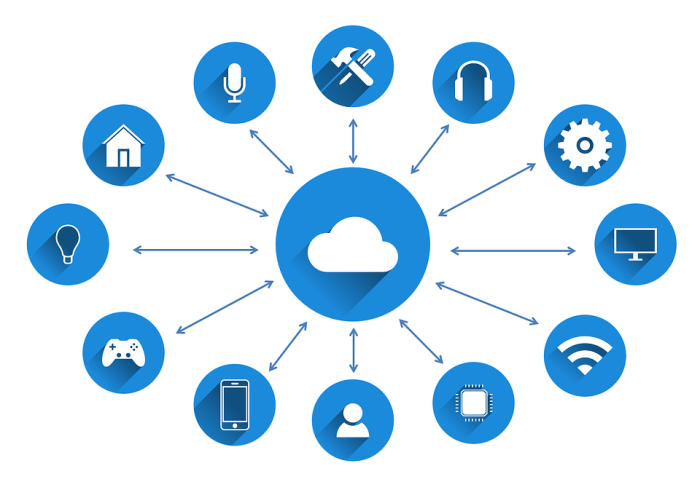
The insurance industry is undergoing a rapid transformation, driven by the increasing adoption of IoT technology. This shift is not just about automating existing processes; it’s about creating entirely new opportunities for insurers to anticipate risks, personalize policies, and deliver exceptional customer experiences. The future of insurance claims will be significantly impacted by the continued evolution of connected devices and data analytics.
Emerging Technologies in IoT Insurance
The landscape of IoT-enabled insurance is constantly evolving. New technologies are emerging that promise to revolutionize how insurers manage claims and interact with policyholders. These advancements include the integration of artificial intelligence (AI) and machine learning (ML) into IoT platforms. AI can analyze massive datasets from connected devices to identify patterns and predict potential claims, enabling proactive risk management.
Machine learning algorithms can refine these predictions, enhancing the accuracy and efficiency of claims processing. Moreover, the use of blockchain technology for secure data management and transparent transactions will be increasingly critical in the future.
Predictive Modeling with IoT Data
Leveraging IoT data for predictive modeling is a key future trend. Insurers can use data from connected devices, such as wearables and home sensors, to assess risk factors and predict potential claims. For example, a car with a connected telematics system that consistently reports safe driving habits could be assigned a lower insurance premium. Similarly, a home equipped with sensors detecting unusual activity could potentially trigger proactive preventative measures.
The ability to predict claims proactively allows insurers to optimize pricing models, reduce payouts, and enhance customer service.
Future of Customer Experience in IoT-Enabled Insurance
The future of customer experience in IoT-enabled insurance will revolve around personalization and proactive service. By analyzing data from connected devices, insurers can offer tailored policy options and personalized services to individual customers. Imagine a system that adjusts insurance premiums based on an individual’s driving behavior or home security practices. This level of personalization will elevate customer satisfaction and foster stronger relationships between insurers and policyholders.
Projected Growth of the IoT Insurance Market
| Year | Projected Market Size (USD Billions) | Growth Rate (%) ||—|—|—|| 2023 | 50 | – || 2024 | 65 | 30% || 2025 | 90 | 38% || 2026 | 125 | 40% || 2027 | 170 | 35% |
Note: Projections are based on market analysis and industry trends. Actual growth may vary.
This table provides a glimpse into the potential for significant growth in the IoT insurance market. The projected increases reflect the increasing adoption of connected devices and the growing value insurers place on data-driven insights. Factors such as increasing device affordability, evolving consumer demand for connected services, and supportive government regulations all contribute to this anticipated expansion.
Concluding Remarks
In conclusion, IoT in insurance promises a future where claims are processed with unprecedented speed and accuracy. The integration of connected devices, coupled with real-time data analysis and automated systems, offers a significant opportunity to enhance the entire claims process. While security and privacy concerns are valid considerations, robust measures and best practices can mitigate these risks. As technology advances, the potential for predictive modeling and personalized customer experiences within the insurance industry is immense.
The future of insurance is connected, and this report highlights the exciting opportunities and challenges that lie ahead.