IoT in Disaster Management: How IoT is Redefining Disaster Relief Strategies is reshaping how we approach and overcome disasters. Imagine a world where real-time data from sensors empowers faster, smarter responses, enabling aid to reach those who need it most, instantly. This isn’t science fiction; it’s the tangible reality of IoT’s transformative power. From predicting potential catastrophes to optimizing resource allocation, IoT is redefining disaster relief strategies, offering unprecedented opportunities to mitigate damage and save lives.
This overview explores the critical role of IoT in modern disaster management. We’ll delve into how interconnected devices and systems are revolutionizing data collection, communication, and resource allocation. We’ll examine the types of data gathered, the diverse communication channels employed, and the impact on overall response efficiency. Furthermore, we’ll address the crucial security and privacy considerations in an IoT-driven disaster response.
Through real-world examples and actionable insights, we aim to illuminate the transformative potential of IoT in saving lives and minimizing devastation.
Introduction to IoT in Disaster Management
Internet of Things (IoT) is rapidly transforming disaster management, offering unprecedented opportunities for proactive preparedness and swift, effective responses. This technology, embedded with sensors and interconnected devices, provides real-time data on various aspects of a disaster, allowing for more informed decision-making and ultimately, better outcomes for affected populations. The potential of IoT in this field extends from early warning systems to efficient resource allocation and post-disaster recovery.The fundamental principles of IoT rely on the interconnectedness of devices.
This allows for a continuous stream of data collection, enabling detailed insights into the unfolding situation. This data, analyzed in real-time, can inform crucial decisions, such as optimizing evacuation routes, identifying critical infrastructure damage, and directing aid to those in need. By harnessing the power of data, IoT-based disaster management systems can revolutionize how we approach and overcome natural and human-caused catastrophes.
Key Components of an IoT-Based Disaster Management System
An effective IoT-based disaster management system integrates several key components. These components work together to provide a comprehensive picture of the disaster and facilitate timely and targeted responses.
- Sensors: Various types of sensors, including temperature, humidity, seismic, and flood sensors, collect real-time data on environmental conditions and infrastructure integrity. These sensors are strategically deployed across affected areas to provide a detailed and accurate picture of the situation.
- Communication Network: A robust communication network is crucial for transmitting the data gathered by the sensors to a central command center. This network needs to be resilient to potential disruptions during a disaster. Cellular networks, satellite communication, or dedicated IoT networks are examples of suitable communication systems.
- Data Processing Platform: This platform analyzes the data from the sensors, identifying patterns, anomalies, and critical information. This processing should occur quickly and efficiently to provide timely insights to disaster response teams. Advanced analytics and machine learning algorithms can further enhance the platform’s capabilities.
- Visualization Tools: Interactive maps, dashboards, and other visualization tools help decision-makers interpret the data and understand the situation at hand. These tools allow for real-time monitoring and facilitate informed decisions.
- Response Systems: This involves integrating the collected and analyzed data with response systems such as emergency alerts, resource allocation, and evacuation plans. The data should be utilized to optimize resource allocation and streamline response efforts.
Data Collection and Analysis Flow Chart, IoT in Disaster Management: How IoT is Redefining Disaster Relief Strategie
The process of data collection and analysis in an IoT-based disaster response follows a structured flow. This process is designed to ensure timely and accurate information reaches decision-makers. 
(Flowchart image would illustrate a cycle beginning with sensor data collection, followed by transmission to the data processing platform. This is followed by analysis and interpretation, culminating in the generation of actionable reports and alerts for disaster response teams. A feedback loop would indicate updates to the system, ensuring continuous improvement.)
IoT’s impact on disaster management is profound, automating crucial response strategies. However, the parallels extend to digital marketing, as voice search is revolutionizing how businesses interact with customers, as seen in IoT in Digital Marketing: Implications of Voice Search for Digital Advertising. Ultimately, the core principle remains the same: leveraging technology for real-time, data-driven solutions to enhance efficiency and effectiveness, making disaster relief faster and more targeted.
Data Collection and Monitoring
Collecting and monitoring data is crucial in disaster management. Real-time insights into affected areas allow for quicker and more effective responses, minimizing casualties and damage. IoT sensors play a pivotal role in this, enabling a comprehensive understanding of the evolving situation. This includes not only identifying the immediate impact but also tracking the long-term effects of the disaster.Effective disaster response hinges on the ability to rapidly assess the situation and deploy resources accordingly.
The speed and accuracy of data collection are paramount. IoT sensors, coupled with robust communication networks, provide a powerful framework for this. This real-time data stream enables proactive decision-making and targeted resource allocation, ultimately saving lives and mitigating damage.
Types of Data Collected
Data collection in disaster situations is multifaceted. Beyond the obvious metrics, such as temperature and humidity, the data collected by IoT sensors often includes more nuanced information. This comprehensive approach provides a more accurate and detailed picture of the disaster’s impact. This allows for a more targeted and efficient response, ultimately saving lives and mitigating damage. For instance, in a flood, data on water levels, flow rates, and salinity can help predict inundation patterns.
In an earthquake, data on ground motion, building vibrations, and structural integrity provide crucial insights into the extent of damage.
Sensor Technologies and Suitability
Various sensor technologies are available, each with its own strengths and weaknesses. The choice of technology depends heavily on the specific disaster type and the required data. For instance, in a wildfire, sensors capable of measuring smoke density, wind speed, and temperature are crucial. In a flood, sensors that track water levels, flow rates, and salinity are vital.
Selecting the appropriate technology ensures that the data collected is meaningful and actionable.
Real-World Applications
Numerous real-world applications showcase the effectiveness of IoT sensors in disaster monitoring. In post-hurricane scenarios, IoT sensors deployed across affected regions have recorded vital data on water contamination, structural integrity, and population displacement. This enables aid organizations to deploy resources effectively and efficiently. In earthquake-stricken areas, sensors monitoring building stability have helped in identifying areas requiring immediate attention and facilitating search and rescue efforts.
Data Transmission and Storage
Data transmission and storage are crucial elements in any IoT system for disaster management. Robust communication networks, including satellite communication, are often essential in areas with limited or no cellular coverage. Secure and scalable storage solutions are required to manage the massive volume of data generated during a disaster. Cloud-based storage can ensure the availability of data even during disruptions.
Data transmission and storage systems must be designed with resilience in mind, ensuring continued operation during challenging conditions.
Comparison of Sensor Technologies
| Sensor Type | Strengths | Weaknesses | Suitable Disasters |
|---|---|---|---|
| Acoustic Sensors | Detect structural damage, locate survivors, measure intensity | Accuracy affected by noise, susceptible to interference | Earthquakes, building collapses |
| Water Level Sensors | Monitor flood levels, predict inundation patterns | Calibration critical, susceptible to debris | Floods, storms |
| Temperature & Humidity Sensors | Track environmental conditions, detect structural damage | Limited in detecting other parameters, may not be sufficient alone | Wildfires, heat waves, and various natural disasters |
| GPS Sensors | Track movement of people and assets, pinpoint locations | Power limitations, may not be sufficient in dense areas | Floods, earthquakes, wildfires |
Communication and Alert Systems
IoT is revolutionizing disaster response by enabling rapid and widespread communication, a crucial aspect for saving lives and minimizing damage. Effective communication during emergencies allows for the timely dissemination of critical information, enabling swift evacuation, resource allocation, and coordinated rescue efforts. This improved communication is transforming disaster relief strategies from reactive to proactive, paving the way for more effective and efficient response mechanisms.IoT-enabled communication systems are transforming how we manage emergencies.
Real-time data feeds and intelligent algorithms are empowering faster and more accurate information dissemination, creating a more resilient and responsive system. This enhanced communication facilitates better coordination between responders, allowing them to efficiently deploy resources and support those in need.
Real-Time Communication in Disaster Zones
IoT facilitates rapid communication in disaster zones through various technologies, breaking down communication barriers and allowing for more coordinated responses. These systems leverage sensor networks, mobile devices, and satellite connectivity to transmit crucial information across diverse geographical areas and in challenging conditions. These communication systems are instrumental in reaching affected populations and coordinating relief efforts.
Communication Protocols in IoT-Based Disaster Alerts
Various communication protocols are employed in IoT-based disaster alerts. These protocols are specifically designed for reliability, speed, and efficiency in transmitting critical information. Examples include cellular networks, satellite communication, and mesh networks. These protocols are selected based on factors like coverage area, signal strength, and resilience to interference. Cellular networks are prevalent for widespread coverage, while satellite communication provides a backup for areas with limited cellular connectivity.
Mesh networks allow for redundant communication paths, ensuring information reaches its destination even if parts of the network are disrupted.
Examples of IoT-Enabled Communication Systems
Several IoT-enabled communication systems are deployed in disaster zones. One example is a system utilizing sensor networks to detect earthquakes and immediately transmit alerts to nearby emergency services. Another example is a system that tracks the location of victims in a flood zone, providing real-time information to rescue teams. These examples showcase the transformative potential of IoT in enhancing disaster response capabilities.
Furthermore, these systems often integrate with social media platforms to broadcast alerts and provide updates to the public.
Disseminating Real-Time Alerts
The process of disseminating real-time alerts involves a sophisticated chain of events. First, sensors detect a disaster event. This triggers an immediate alert transmission to a central control center. From there, the alert is routed through selected communication channels, prioritizing the most reliable and widespread coverage. The alerts are then tailored to specific regions and populations based on the level of threat and need.
Public awareness campaigns play a critical role in ensuring that the population understands how to receive and act upon these alerts.
Communication Platforms for IoT Disaster Response
| Communication Platform | Strengths | Weaknesses | Suitable Use Cases |
|---|---|---|---|
| Cellular Networks | Wide coverage, established infrastructure | Potential signal disruption in disaster areas | Mass alerts, general population updates |
| Satellite Communication | Reliable coverage in remote areas, less susceptible to ground disruptions | Higher latency, potentially more expensive | Remote areas, situations with extensive power outages |
| Mesh Networks | Redundancy, improved reliability in areas with limited infrastructure | Requires specific hardware and setup | Areas with significant infrastructure damage, or in challenging terrains |
| Social Media Platforms | Rapid dissemination of information, large reach | Potential for misinformation, verification challenges | Public awareness, real-time updates, and mobilization of resources |
Resource Management and Response
IoT is revolutionizing disaster relief by enabling unprecedented levels of resource optimization and real-time response. From precise tracking of rescue teams to automated supply distribution, IoT empowers organizations to react faster and more effectively to crises. This improved efficiency translates to saving lives and minimizing the impact of disasters.Real-time data streams from various IoT devices provide crucial insights for proactive resource allocation, enabling swift and targeted deployments.
This data-driven approach allows organizations to effectively utilize available resources, ensuring aid reaches those who need it most.
Enhanced Resource Allocation and Deployment
IoT systems collect data from various sources, enabling real-time monitoring of resource availability and demand. This comprehensive view facilitates dynamic resource allocation, prioritizing needs in affected areas. For instance, if a specific region experiences a surge in casualties, IoT sensors can immediately alert authorities, triggering a rapid mobilization of rescue teams and medical supplies to that location. This dynamic response ensures that aid is deployed efficiently and effectively, maximizing its impact.
Real-time Tracking of Resources
The real-time tracking of critical resources, such as rescue teams and supplies, is a critical aspect of effective disaster response. IoT-enabled tracking devices allow authorities to monitor the location, status, and progress of resources in real-time. This precise tracking enables optimized routing and coordination of efforts, minimizing delays and maximizing the impact of rescue operations.
Optimizing the Distribution of Aid and Supplies
IoT technology plays a pivotal role in optimizing the distribution of aid and supplies. Sensors can monitor the condition of supplies, such as temperature and integrity, throughout the delivery process. This real-time monitoring ensures that aid arrives in optimal condition, preserving its effectiveness. Furthermore, IoT can identify the most efficient routes and delivery methods, reducing transit times and ensuring supplies reach their intended destinations promptly.
Coordinating Rescue Operations Using IoT
IoT-enabled platforms facilitate seamless communication and coordination among rescue teams, enabling a unified command structure. These platforms provide a centralized view of the situation, enabling rescuers to access real-time information about the affected area, the status of resources, and the location of victims. This centralized approach facilitates quicker and more coordinated rescue operations, improving the chances of saving lives and minimizing casualties.
Table Demonstrating IoT Resource Tracking
| Resource Type | Tracking Method | Benefits | Limitations |
|---|---|---|---|
| Rescue Teams | GPS trackers, communication devices | Real-time location, status updates, improved coordination | Potential for signal loss in affected areas, security concerns |
| Medical Supplies | Temperature sensors, RFID tags | Monitoring of temperature and integrity, efficient inventory management | Potential for sensor malfunction, need for robust infrastructure |
| Food and Water | RFID tags, location sensors | Tracking of distribution, inventory control, minimizing waste | Infrastructure dependence, potential for tag damage |
| Shelter Materials | Location sensors, condition sensors | Real-time tracking of materials, efficient deployment | Potential for sensor malfunctions in harsh conditions |
Predictive Modeling and Mitigation
Leveraging the wealth of data generated by IoT sensors allows for proactive disaster preparedness. By analyzing patterns and trends, predictive models can identify potential risks and inform mitigation strategies, ultimately saving lives and resources. This approach is crucial in minimizing the devastating impact of natural disasters and human-induced calamities.
Predicting Disaster Risks with IoT Data
IoT sensors, strategically deployed across affected areas, collect real-time data on environmental conditions, infrastructure status, and community behavior. This data, when combined with historical records and sophisticated algorithms, enables the creation of predictive models. These models can forecast the likelihood of various disaster types, such as floods, earthquakes, or wildfires, and identify vulnerable areas.
Developing Predictive Models Using IoT Data
Developing effective predictive models hinges on the careful selection and processing of IoT data. Machine learning algorithms, such as regression analysis and neural networks, are frequently employed to analyze historical data, identify patterns, and establish correlations between various environmental factors and disaster occurrences. Sophisticated data visualization techniques further aid in the interpretation of these complex patterns, providing crucial insights for policymakers and emergency responders.
The more comprehensive and accurate the data, the more precise and reliable the predictive model becomes.
Using IoT Data to Inform Disaster Preparedness Strategies
The insights derived from predictive models are instrumental in formulating proactive disaster preparedness strategies. By pinpointing potential risk zones and forecasting the timing and intensity of events, organizations can allocate resources effectively, prioritize evacuation plans, and implement targeted mitigation measures. These strategies, grounded in data-driven predictions, significantly enhance community resilience and minimize loss of life and property. Early warnings based on predictive models can be communicated through various channels, ensuring timely and appropriate actions are taken by individuals and communities.
IoT’s role in disaster management is crucial, enabling real-time data collection and analysis for swift response. However, the applications extend beyond emergencies. Consider how IoT is revolutionizing HVAC systems, as detailed in this insightful article on IoT in HVAC: Transforming the Way We Manage Heating, Ventilation, and Air Conditioning. These advancements in smart building management, inspired by IoT, ultimately enhance efficiency and resilience, mirroring the principles of effective disaster relief strategies.
Importance of Historical Data for Disaster Risk Reduction
Historical data, encompassing previous disaster events and associated environmental conditions, is paramount for developing accurate predictive models. Analyzing past patterns reveals recurring trends and vulnerabilities, enabling a more comprehensive understanding of disaster risk. This knowledge can inform the design of infrastructure, the development of early warning systems, and the implementation of effective mitigation strategies. Without historical data, predictive models are less reliable and their effectiveness in disaster risk reduction is significantly compromised.
Predicting Future Disaster Risks Using Historical Data
| Historical Data Point | Predictive Model Output | Mitigation Strategy |
|---|---|---|
| Past 5 years of rainfall data in a specific region, showing an increasing trend | High probability of flooding in the region within the next 2 years. | Strengthening flood defenses, implementing early warning systems, and providing evacuation plans for vulnerable communities. |
| Historical records of earthquake epicenters and magnitudes | Increased likelihood of seismic activity in specific fault lines. | Constructing earthquake-resistant buildings, developing earthquake-resistant infrastructure, and conducting regular drills to prepare for potential earthquakes. |
| Previous instances of wildfires triggered by prolonged droughts | High probability of wildfire outbreak in areas experiencing drought conditions. | Implementing proactive fire prevention measures, strengthening forest management practices, and improving early warning systems to provide early alerts to residents. |
Security and Privacy Concerns: IoT In Disaster Management: How IoT Is Redefining Disaster Relief Strategie
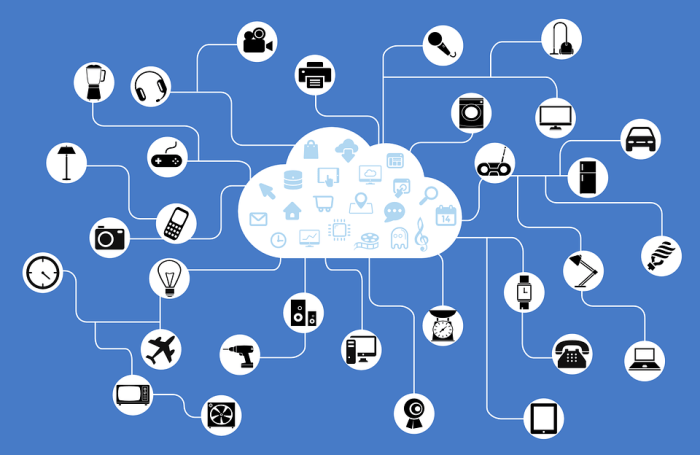
IoT devices, while crucial for disaster management, introduce new vulnerabilities. Protecting sensitive data collected during emergencies is paramount, and ensuring the integrity of systems is critical to effective response. Unmitigated risks can compromise aid efforts, endanger lives, and undermine public trust.
Security Challenges in IoT Disaster Management
IoT deployments in disaster zones are particularly susceptible to attacks. Malicious actors could disrupt communication networks, tamper with sensor data, or even hijack control systems. These actions can lead to inaccurate assessments of the situation, misallocation of resources, and ultimately, harm to affected populations. The interconnected nature of IoT devices magnifies the potential for cascading failures. A compromised device can potentially affect the entire system, hindering relief efforts.
Data Privacy and Protection in IoT Disaster Response
Protecting the privacy of individuals affected by disasters is paramount. Data collected by IoT devices, including location information, health status, and personal details, must be handled with utmost care. Strong encryption, access controls, and data anonymization techniques are essential to safeguarding this sensitive information. Clear policies and procedures must be in place to ensure that data is used only for authorized purposes and is protected from unauthorized access or disclosure.
Examples of Security Breaches in IoT Systems and Their Impact on Disaster Relief
Real-world examples highlight the potential for disaster. A compromised water quality monitoring system could lead to the distribution of contaminated water, causing widespread illness. A malfunctioning traffic control system during a natural disaster could cause increased congestion and hinder rescue efforts. The potential impact is significant, ranging from minor inconveniences to catastrophic consequences.
Measures to Ensure Data Security and Privacy in Disaster Management Systems
Robust security measures are vital. These include:
- Secure communication protocols: Employing encryption and authentication mechanisms to protect data transmission.
- Data validation and integrity checks: Implementing mechanisms to verify the accuracy and authenticity of data collected from sensors.
- Access control and user authentication: Restricting access to sensitive information based on predefined roles and permissions.
- Regular security audits and vulnerability assessments: Identifying and mitigating potential weaknesses in the IoT infrastructure.
These measures are crucial for safeguarding sensitive information and ensuring the reliability of disaster management systems.
Strategies to Mitigate Security Risks of IoT Systems in Disasters
Developing effective mitigation strategies is key to minimizing vulnerabilities.
- Employing multi-layered security: Integrating multiple security protocols and controls to defend against various threats.
- Utilizing secure data storage and backup systems: Implementing robust measures to prevent data loss and ensure data availability.
- Conducting regular security training for personnel: Empowering personnel with the knowledge and skills to identify and respond to security threats.
- Establishing clear incident response plans: Defining procedures to address security breaches and restore systems quickly.
These strategies are vital for protecting critical infrastructure and maintaining the integrity of data during disaster relief operations.
Case Studies and Examples
Real-world deployments of IoT in disaster management are proving invaluable. These implementations are not just theoretical; they’re actively shaping disaster response strategies, providing tangible benefits and lessons learned. From earthquake prediction to flood monitoring, IoT is transforming how we prepare for and react to crises. These examples showcase the power of data-driven insights in minimizing casualties and maximizing resource allocation.Successful implementations often rely on interconnected systems.
Real-time data feeds from sensors, combined with efficient communication networks and well-defined response protocols, are key to effective disaster relief. The examples highlighted below demonstrate the diverse applications and impact of IoT in different disaster scenarios.
Successful Implementations in Earthquake-Prone Regions
Early detection and warning systems, powered by IoT, are crucial in earthquake-prone areas. Real-time data from seismic sensors, combined with smart city infrastructure, allows for faster evacuation procedures and targeted rescue efforts. For example, in California, IoT-enabled early warning systems have been deployed to provide critical seconds of lead time for residents to seek shelter, potentially saving lives.
This proactive approach reduces the overall impact of earthquakes by enabling quicker and more effective responses.
Flood Monitoring and Prediction
IoT sensors strategically placed in flood-prone areas provide invaluable data on water levels, rainfall intensity, and river flow rates. This data, analyzed in real-time, enables early flood warnings and allows for more effective resource allocation. For instance, in the Netherlands, advanced flood monitoring systems utilizing IoT technologies have been implemented. These systems detect water level changes, triggering alerts and automated floodgates, thus preventing catastrophic flooding.
This real-time information facilitates preemptive evacuations and enables targeted support to affected communities.
Post-Disaster Assessment and Resource Allocation
IoT devices can play a vital role in assessing the damage and needs after a disaster. Sensors deployed across affected areas can provide real-time information on structural damage, infrastructure failures, and the overall extent of the disaster. This data allows emergency response teams to quickly identify areas requiring immediate attention and prioritize resource allocation. For example, in the aftermath of hurricanes, drones equipped with cameras and sensors have been used to assess the damage to infrastructure, allowing aid organizations to deploy resources more effectively.
This helps in optimizing relief efforts and delivering assistance to those who need it most.
Lessons Learned from Case Studies
Several factors contribute to the success of IoT implementations in disaster management. Reliable communication networks are essential for transmitting critical data in real-time. Accurate sensor data, collected from strategically placed devices, is vital for effective decision-making. Well-defined protocols for data interpretation and response actions are crucial for streamlined disaster response.
- Data Reliability: Ensuring the accuracy and reliability of data from sensors is paramount. Errors in data can lead to misinterpretations and ineffective responses. Calibration and regular maintenance of sensors are vital for reliable data collection.
- Communication Infrastructure: Robust communication infrastructure is critical for transmitting real-time data to emergency responders and stakeholders. Backup systems and alternative communication channels are vital in case of network disruptions.
- Integration and Interoperability: The seamless integration of various IoT devices and systems is crucial for a unified approach to disaster response. Interoperability between different systems ensures that data can be shared and utilized effectively by various stakeholders.
Epilogue
In conclusion, IoT in disaster management is no longer a futuristic concept but a vital component of modern disaster response. From data-driven predictions to optimized resource deployment, IoT empowers proactive strategies and dramatically improves the effectiveness of relief efforts. While security and privacy concerns must be addressed, the potential for IoT to revolutionize disaster relief is undeniable. By harnessing the power of interconnected devices, we can build a more resilient future, one where preparedness and swift action save lives and mitigate the devastating impacts of natural and human-caused disasters.