IoT in Accounting: From Spreadsheets to Smart Systems – The IoT Evolution is revolutionizing how businesses manage finances. Imagine a world where inventory automatically tracks itself, payments process seamlessly, and audits are conducted with unparalleled precision. This isn’t science fiction; it’s the tangible reality of IoT-powered accounting systems. We’ll delve into the fascinating world of IoT data collection, exploring how it’s transforming accounting processes and driving real-time financial insights.
This transformation isn’t just about efficiency; it’s about unlocking unprecedented levels of accuracy and transparency. The shift from traditional spreadsheets to smart systems empowers businesses with a competitive edge, allowing for quicker decision-making and a deeper understanding of financial health. We’ll explore the practical applications of IoT, from inventory management to financial reporting, highlighting the benefits and challenges along the way.
Introduction to IoT in Accounting: IoT In Accounting: From Spreadsheets To Smart Systems – The IoT Evolution
The Internet of Things (IoT) is rapidly transforming industries, and accounting is no exception. IoT refers to the network of physical devices, vehicles, home appliances, and other items embedded with electronics, software, sensors, actuators, and connectivity which enables these objects to collect and exchange data. In accounting, this translates to a wealth of data beyond traditional financial records, opening doors to greater efficiency and insights.
This data, when properly analyzed, can provide invaluable information for decision-making and optimizing operations.IoT data sources in accounting differ significantly from traditional data, which primarily relies on manually recorded transactions. IoT data originates from real-time sensor readings, automated processes, and connected devices, providing a continuous stream of information about assets, inventory, and operations. This granular, real-time view offers a level of precision and detail that traditional accounting methods can’t match.
The potential for improved accuracy and reduced errors is substantial.
IoT Data Sources and Their Impact
IoT devices generate a diverse range of data, including asset location, usage patterns, maintenance needs, and inventory levels. This continuous flow of data provides insights that traditional accounting methods often miss. Consider a manufacturing plant. Sensors embedded in machinery can track equipment performance, predicting maintenance needs before failures occur, minimizing downtime, and enhancing production efficiency. This proactive approach is far more effective than reacting to breakdowns.
Potential Benefits of IoT Integration
Integrating IoT into accounting systems offers a multitude of benefits. Real-time visibility into operations enables better resource allocation and cost control. Predictive maintenance reduces unexpected expenses. Automated data capture streamlines processes and reduces manual errors. Enhanced security measures also become possible, tracking assets and preventing theft.
The overall result is increased profitability and operational efficiency.
Current Trends and Future Outlook
The integration of IoT in accounting is gaining traction. Cloud-based accounting software is increasingly equipped to handle the vast amounts of IoT data, allowing for more comprehensive analysis and reporting. The use of AI and machine learning is expanding, enabling predictive analytics and automating tasks. As IoT technology continues to evolve, accounting will likely become even more data-driven, leading to smarter decisions and improved profitability.
Traditional vs. IoT-Enabled Accounting Methods
| Method | Data Source | Efficiency | Cost |
|---|---|---|---|
| Traditional Accounting | Manual records, periodic reports | Lower | Lower (initial investment) |
| IoT-Enabled Accounting | Real-time sensor data, automated processes | Higher | Higher (initial investment, ongoing maintenance) |
This table highlights the key differences between traditional and IoT-enabled accounting approaches. IoT systems provide significantly higher efficiency through automation and real-time data, but the initial investment and ongoing maintenance costs are typically higher.
IoT Data Collection and Management
Collecting and managing data from Internet of Things (IoT) devices is crucial for leveraging their potential in accounting. This involves a complex interplay of devices, data streams, and security protocols. Effective management ensures accurate financial reporting and facilitates informed decision-making. The ability to seamlessly integrate IoT data into existing accounting systems is paramount for maximizing efficiency and minimizing errors.
Types of IoT Devices and Sensors in Accounting
IoT devices and sensors are diverse, offering a range of applications in accounting. These include smart scales for inventory management, RFID tags for tracking assets, and sensors monitoring equipment usage. Specialized sensors can track fuel consumption, monitor machinery performance, and log environmental factors influencing production costs.
Methods for Collecting and Storing IoT Data
Data collection methods vary based on the specific IoT device and the accounting system’s needs. Cloud-based platforms are commonly used to store and process large volumes of data from diverse sources. Real-time data streams can be ingested and processed, enabling immediate updates to accounting records. Data integration tools and APIs allow seamless connection between IoT devices and accounting software.
Data Security and Privacy Considerations
Data security and privacy are paramount in IoT accounting systems. Robust security protocols, including encryption and access controls, are essential to protect sensitive financial information. Data encryption should be implemented at all stages of the data lifecycle, from collection to storage and processing. Compliance with relevant regulations, such as GDPR and CCPA, is critical. Regular security audits and incident response plans are vital to safeguard against potential threats.
Importance of Data Validation and Quality Control
Data validation and quality control are essential components of any IoT accounting system. Validation processes should be integrated into the data collection and storage pipeline. This includes checks for data integrity, consistency, and completeness. Establishing clear data validation rules and implementing automated quality control measures can minimize errors and ensure the reliability of financial reporting. Regular audits can also be used to check the accuracy and consistency of the data.
Process Flow Diagram: Data Collection from IoT Devices to Accounting Systems
| Step | Description |
|---|---|
| 1. Data Acquisition | IoT devices collect data and transmit it to a central data hub. |
| 2. Data Transmission | Data is securely transmitted from the devices to the data hub. |
| 3. Data Validation | Automated validation rules check the data for accuracy and consistency. |
| 4. Data Storage | Validated data is stored securely in a cloud-based or on-premise database. |
| 5. Data Processing | Data is processed and transformed into usable information for accounting. |
| 6. Data Integration | Processed data is integrated into the accounting system. |
| 7. Reporting and Analysis | Accounting reports and analyses are generated based on the integrated data. |
IoT Applications in Accounting Processes
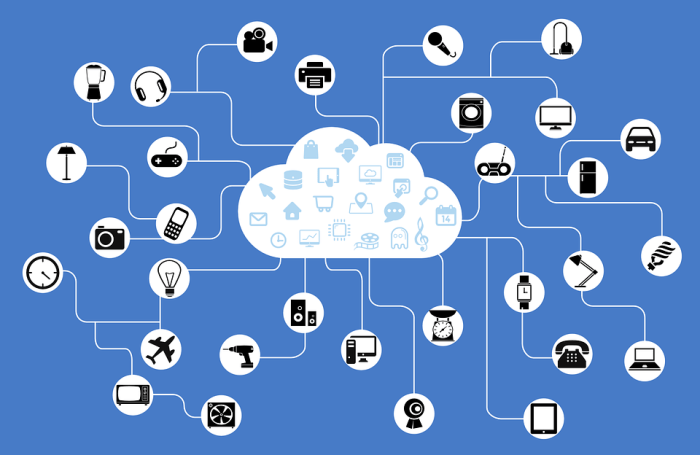
The digital revolution is transforming accounting, and the Internet of Things (IoT) is at the forefront of this change. IoT devices and systems are generating massive amounts of data, offering unprecedented opportunities for automation, improved accuracy, and real-time insights. This data-rich environment is poised to revolutionize traditional accounting processes, from inventory tracking to financial reporting.IoT technology is empowering accountants to move beyond manual processes and embrace a more efficient and data-driven approach.
This translates to reduced operational costs, minimized errors, and enhanced decision-making capabilities. It’s not just about automating tasks; it’s about gaining a deeper understanding of the business’s operational health, allowing for proactive management and strategic planning.
Inventory Management Automation
Real-time tracking of inventory levels, location, and conditions is crucial for efficient operations. IoT sensors embedded in inventory units allow for continuous monitoring. This constant stream of data eliminates the need for manual counts, drastically reducing errors and improving the accuracy of inventory records. Automated alerts for low stock levels or potential spoilage can also be configured, enabling proactive restocking and minimizing waste.
Asset Tracking and Maintenance
IoT devices can track the location, usage, and maintenance needs of assets. This real-time visibility enables proactive maintenance scheduling, reducing downtime and costly repairs. IoT-enabled asset tracking can also help identify asset misuse or theft, reducing losses and improving overall asset management efficiency. Companies can optimize their asset utilization and predict potential maintenance needs.
Payment Processing Enhancement
Smart contracts and IoT-enabled payment systems are streamlining payment processes. This automation reduces manual intervention, minimizing errors and processing times. For instance, automated payments triggered by specific events (e.g., delivery confirmation) eliminate the need for manual intervention, resulting in quicker processing times and reduced administrative overhead.
Accuracy and Error Reduction in Financial Reporting, IoT in Accounting: From Spreadsheets to Smart Systems – The IoT Evolution
IoT data streams can be integrated into accounting software, enabling more accurate financial reporting. By automating data collection and validation, the system can automatically identify and flag inconsistencies, reducing the risk of human errors. This automated validation process significantly increases the accuracy of financial statements. For example, a warehouse equipped with IoT sensors automatically updates inventory levels in the accounting system, eliminating discrepancies and ensuring accurate reporting.
Enhancing Audit Procedures
IoT devices can provide a comprehensive audit trail, creating a verifiable record of all transactions and activities. This transparency significantly improves audit efficiency and reduces the scope of manual audits. Auditors can gain real-time access to data from various locations, simplifying the audit process and increasing the speed of audits. This detailed data allows auditors to focus on critical areas, ensuring a comprehensive audit in a shorter timeframe.
Real-time Financial Insights and Reporting
IoT-enabled systems provide real-time insights into financial performance. The constant stream of data enables businesses to react quickly to changes in the market or operational efficiency. For instance, a retailer can track inventory levels in real-time and adjust pricing or promotions based on demand fluctuations, improving profitability and optimizing sales.
Table: IoT Implementation in Accounting Processes
| Process | IoT Implementation | Benefits | Challenges |
|---|---|---|---|
| Inventory Management | IoT sensors tracking stock levels, location, and conditions | Reduced stockouts, minimized waste, increased accuracy | Sensor maintenance, data security concerns, integration with existing systems |
| Receivables | Automated payment processing triggered by events (e.g., delivery confirmation) | Faster processing times, reduced errors, improved cash flow | System compatibility, cybersecurity threats, data privacy concerns |
| Asset Management | IoT devices tracking asset location, usage, and maintenance | Proactive maintenance, reduced downtime, improved asset utilization | High initial investment, data integration complexities, technical expertise required |
| Financial Reporting | IoT data integration into accounting software for automated validation | Increased accuracy, reduced errors, improved reporting efficiency | Data security, compliance with regulations, ensuring data integrity |
IoT-Enabled Financial Reporting and Analysis
IoT is rapidly transforming financial reporting, moving beyond static spreadsheets to dynamic, real-time insights. This shift empowers businesses with unprecedented levels of accuracy, transparency, and proactive risk management. By leveraging data from connected devices, companies can gain a holistic view of their operations, allowing for more informed decisions and optimized resource allocation.IoT data streamlines financial processes, reducing manual errors and enhancing overall efficiency.
This data-driven approach translates into more reliable financial reports, providing stakeholders with greater confidence in the presented information. Real-time analysis and forecasting capabilities enable proactive adjustments to strategies and operations, minimizing potential losses and maximizing profitability.
Enhanced Financial Reporting Accuracy and Transparency
IoT data, when properly integrated into financial reporting systems, significantly boosts accuracy and transparency. Sensors embedded in equipment or inventory can track usage, location, and condition in real-time. This eliminates the need for manual estimations and reduces the margin for human error, leading to a more precise picture of asset performance and operational costs. The detailed, verifiable data streamlines audit trails, promoting transparency and accountability for financial stakeholders.
IoT is revolutionizing accounting, moving beyond spreadsheets to intelligent systems. This evolution mirrors the advancements in insurance, where connected devices are boosting claim processing speed and accuracy, as seen in IoT in Insurance: Improving Claims Accuracy and Speed Through Connected Devices. Ultimately, these interconnected systems will streamline processes, leading to greater efficiency and better data-driven insights in accounting as well.
This verifiable data stream directly impacts financial reporting accuracy, leading to more reliable financial statements.
Real-Time Financial Analysis and Forecasting
IoT data facilitates real-time financial analysis and forecasting. By constantly monitoring equipment performance, inventory levels, and operational expenses, businesses can identify trends and patterns immediately. For example, predictive maintenance based on sensor data can forecast equipment failures, allowing companies to schedule repairs proactively and avoid costly downtime. This proactive approach to maintenance translates to a reduction in operational costs and a more predictable financial outlook.
Real-time dashboards and visualizations provide instant insights into key performance indicators (KPIs).
The evolution of IoT in accounting, moving from manual spreadsheets to smart systems, is fascinating. This trend mirrors the rapid shift in digital marketing, particularly with the rise of voice search, as seen in IoT in Digital Marketing: Implications of Voice Search for Digital Advertising. Ultimately, both demonstrate how interconnected technologies are reshaping industries, driving efficiency and opening up new possibilities for innovation in accounting processes.
Dashboards and Visualizations for Accounting
Customizable dashboards provide a visual representation of crucial financial data. These dashboards can display real-time inventory levels, equipment performance metrics, and projected revenue streams. For example, a dashboard could graphically illustrate the correlation between production output and raw material costs, allowing for swift adjustments to production strategies. Visualizations, such as interactive charts and graphs, offer a comprehensive overview of financial performance, enabling stakeholders to quickly identify trends and anomalies.
Data visualization is a powerful tool for analyzing and interpreting complex financial data.
Identifying and Mitigating Financial Risks
IoT data can help identify and mitigate financial risks. By tracking assets in real-time, businesses can detect anomalies or unusual patterns that might indicate potential fraud or theft. For example, if sensor data reveals unusual activity on a specific piece of equipment, it could trigger an alert, allowing for immediate investigation. Similarly, IoT data can help predict potential supply chain disruptions or material shortages, enabling companies to proactively secure alternative sources or adjust production schedules.
Comprehensive IoT-Enabled Financial Report Structure
A comprehensive IoT-enabled financial report should integrate data from various sources, providing a holistic view of the organization’s financial health. The report should include:
- Executive Summary: A concise overview of the key findings and recommendations.
- Real-time Data Integration: Data pulled directly from IoT devices to show current status of assets and operations.
- Predictive Analysis: Projections based on historical data and current IoT trends to anticipate future financial performance.
- Risk Assessment: Identification and evaluation of potential financial risks based on IoT data.
- Actionable Insights: Specific recommendations for improving operational efficiency, reducing costs, and mitigating risks based on the analysis of IoT data.
The report should be designed with a focus on actionable insights that translate into tangible improvements in financial performance. A well-structured report facilitates informed decision-making by providing clear and concise insights into the organization’s financial status. A clear understanding of the potential risks and opportunities is vital for future success.
Challenges and Opportunities of IoT in Accounting
The integration of IoT into accounting is poised to revolutionize financial processes, but it’s not without its complexities. This transition presents a unique set of challenges and opportunities that need careful consideration. From the initial investment to the long-term maintenance, businesses must understand the intricacies of this evolving landscape. The potential for enhanced efficiency and data-driven insights is significant, but so too are the obstacles that must be overcome.
Potential Implementation Challenges
The adoption of IoT in accounting necessitates a shift from traditional methods, and this transition isn’t without its hurdles. High upfront costs associated with the hardware, software, and integration work can be a significant deterrent for smaller businesses. Moreover, ensuring the security of sensitive financial data transmitted through various IoT devices is paramount. Robust cybersecurity measures are critical to protect against potential breaches.
A lack of standardized protocols and the complexity of integrating disparate systems can also pose a significant challenge. The challenge lies in seamlessly integrating these new systems with existing accounting software and infrastructure. A lack of skilled personnel to manage and maintain the IoT systems can also hinder successful implementation. This requires a significant investment in training and development.
Necessary Skills and Expertise
The successful implementation and ongoing management of IoT-based accounting systems require a unique skill set. Personnel need a comprehensive understanding of both accounting principles and IoT technologies. Expertise in data analysis, cybersecurity, and system integration is essential. Specialized training programs tailored to the needs of accounting professionals are crucial to equip them with the required skills. Continuous learning and adaptation to the ever-evolving IoT landscape are vital for maintaining competency.
Furthermore, a strong understanding of data privacy regulations is necessary.
Opportunities for Growth and Innovation
IoT presents substantial opportunities for growth and innovation in accounting. Real-time data insights provide a clearer picture of financial performance, enabling quicker and more informed decisions. Automated processes reduce manual errors, improving accuracy and efficiency. The ability to track assets and resources in real-time allows for enhanced inventory management and cost control. Predictive analytics capabilities enable proactive measures to address potential financial risks.
This data-driven approach enables the identification of emerging trends, allowing for more effective strategies.
Comparison of IoT and Traditional Accounting
Traditional accounting methods rely on manual data entry and periodic reporting. IoT, on the other hand, facilitates real-time data collection and analysis. The advantages of IoT lie in increased accuracy, faster processing, and enhanced efficiency. However, the disadvantages include higher initial investment and potential complexities in integration. Furthermore, there is a significant need for skilled personnel to manage and maintain the systems.
Careful consideration must be given to the specific needs of each organization when weighing the advantages and disadvantages.
Regulatory Considerations and Compliance Requirements
Compliance with relevant accounting standards and regulations is critical for any accounting system, including those utilizing IoT technology. Data privacy and security regulations, such as GDPR and CCPA, must be adhered to. Specific regulations pertaining to the use of IoT devices in financial transactions should be carefully evaluated. Thorough due diligence and adherence to industry best practices are essential to maintain compliance.
It is crucial to establish clear policies and procedures regarding data handling and security. Furthermore, regular audits and security assessments are necessary to ensure ongoing compliance.
Case Studies and Examples
IoT is rapidly transforming accounting practices, offering significant potential for increased efficiency and accuracy. Real-world examples demonstrate how businesses are leveraging this technology to streamline processes, reduce costs, and gain valuable insights. Understanding successful implementations and the lessons learned is crucial for organizations considering adopting IoT in their accounting systems. Analyzing these case studies can illuminate innovative uses and provide practical strategies for implementation.Companies across various sectors are adopting IoT to improve their accounting processes, from logistics to manufacturing.
These implementations show a trend of increased automation and data-driven decision-making. The success factors in these deployments are not simply technological but also organizational, requiring a strategic shift in mindset and workflows.
Real-World Examples of IoT in Accounting
Implementing IoT in accounting is not just about installing sensors; it’s about creating a cohesive system. Several companies are successfully leveraging IoT to improve their financial reporting and operational efficiency. One example involves a warehousing company using sensors to track inventory levels and predict potential shortages, automatically triggering reordering processes. This avoids costly delays and ensures timely deliveries.
Another example is a manufacturing company using IoT-enabled machinery to automatically record production data, leading to real-time cost accounting and improved profitability. These examples highlight how IoT can transform traditional accounting processes.
Success Factors in IoT Accounting Implementations
Successful IoT implementations in accounting depend on several key factors. Strong leadership support, clear goals, and a dedicated team are crucial. Businesses need to identify specific pain points within their accounting processes where IoT can offer solutions. Furthermore, a well-defined data strategy, including data security and privacy measures, is essential for long-term success. Finally, a clear plan for integration and ongoing maintenance ensures that the system remains effective and provides continuous value.
Innovative Uses of IoT in Accounting Beyond the Examples
IoT’s applications in accounting extend beyond inventory management and production tracking. Consider using smart contracts to automate payment processing, or using predictive maintenance to anticipate equipment failures and proactively schedule repairs. This can drastically reduce maintenance costs and downtime. Furthermore, using IoT data for early fraud detection can significantly reduce financial losses and strengthen internal controls. The possibilities are truly endless.
Strategies for Implementing IoT into Accounting Systems
A phased approach is recommended for implementing IoT in accounting systems. Start with a pilot project to test the technology and gather valuable insights. Then, identify and address potential challenges, such as data integration and cybersecurity. A robust training program for employees is critical to ensure a smooth transition. Furthermore, continuous monitoring and optimization are essential to maximize the value of the system over time.
Focus on ROI, scalability, and future-proofing your systems.
Key Takeaways from Case Studies
Successful IoT implementations in accounting are characterized by a strategic approach, focusing on specific pain points, and leveraging data insights. A strong organizational commitment, coupled with robust data management practices, is essential for achieving long-term success. The key takeaway is that IoT in accounting is not just about technology; it’s about transforming business processes and creating a more data-driven, efficient, and profitable organization.
Future Trends and Predictions
The landscape of accounting is rapidly evolving, and IoT is poised to play a pivotal role in shaping its future. Beyond the current implementations, the integration of IoT with other advanced technologies like AI and machine learning promises transformative changes. This evolution will not only automate tasks but also empower accountants to make more informed decisions, leading to greater efficiency and accuracy.
The potential for real-time data analysis and predictive modeling is significant, fundamentally altering how businesses manage their finances.This section delves into the future potential of IoT in accounting, exploring its impact on the profession, potential applications beyond current examples, and the synergistic role of AI and machine learning. We’ll present a framework for understanding the future of IoT in accounting, including potential challenges and benefits.
Potential Future Applications of IoT in Accounting
The applications of IoT in accounting are not limited to the current examples. Future implementations will likely extend to more granular levels of operational efficiency and decision-making. The integration of real-time data streams from connected devices will allow for continuous monitoring and analysis of various aspects of business operations, offering invaluable insights for financial planning and reporting.
- Predictive Maintenance and Asset Management: IoT sensors embedded in machinery can continuously monitor equipment performance. This real-time data enables predictive maintenance schedules, reducing downtime and optimizing asset utilization. This translates to more accurate budgeting and forecasting for maintenance costs.
- Smart Supply Chain Management: IoT-enabled tracking of goods throughout the supply chain will enhance inventory management and reduce losses. Real-time visibility into stock levels, transit times, and environmental conditions will allow for proactive adjustments and optimized inventory strategies, ultimately improving accuracy in financial reporting.
- Automated Financial Reporting: IoT-enabled data collection can automate much of the financial reporting process. Data from connected devices and systems will flow directly into accounting software, streamlining the process from data collection to financial statement generation.
AI and Machine Learning Integration
The integration of AI and machine learning with IoT data in accounting promises significant advancements. AI algorithms can analyze vast amounts of real-time data from connected devices to identify patterns and anomalies, enabling proactive financial management. This integration can be instrumental in fraud detection and risk assessment.
- Fraud Detection: AI algorithms can analyze data patterns to detect unusual transactions and identify potential fraudulent activities in real-time. This proactive approach can help prevent financial losses and maintain compliance.
- Risk Assessment: By analyzing IoT data, AI can predict potential risks associated with various business operations, allowing companies to take proactive measures to mitigate them. For example, analyzing equipment failure patterns could predict potential revenue losses and enable appropriate cost adjustments.
- Automated Financial Analysis: AI can analyze complex financial data to generate insights and recommendations. This automated analysis can help accountants make more informed decisions and improve the accuracy and speed of financial reporting.
Table: Possible Future Applications of IoT in Accounting
| Application | Impact | Challenges | Potential Benefits |
|---|---|---|---|
| Predictive Maintenance | Reduced downtime, optimized asset utilization, more accurate maintenance cost forecasting | Data security, integration with existing systems, cost of implementation | Cost savings, improved efficiency, enhanced financial planning |
| Smart Supply Chain Management | Improved inventory management, reduced losses, enhanced visibility | Data accuracy, interoperability between different systems, potential privacy concerns | Increased accuracy in financial reporting, better forecasting, reduced operational costs |
| Automated Financial Reporting | Streamlined reporting process, reduced manual effort, improved accuracy | Data integrity, security breaches, system integration complexity | Increased efficiency, reduced errors, faster reporting cycles |
Ending Remarks
In conclusion, the integration of IoT in accounting promises a future where financial processes are streamlined, transparent, and data-driven. While challenges like security and integration exist, the opportunities for growth and innovation are undeniable. By embracing the potential of IoT, accountants can move beyond basic record-keeping and transform into strategic financial advisors. The future of accounting is here, and it’s smart.